Tretinoin vs. Hydroquinone: Let’s Break It Down
When you’re on a weight loss journey, it’s easy to focus on numbers on the scale while forgetting one powerful truth: how you look and feel in your skin matters just as much. That’s why so many women exploring wellness also ask about tretinoin vs. hydroquinone—two of the most trusted ingredients in anti-aging and skin care. Both can transform your skin, but they work in very different ways. So how do you know which one is right for you?
What is Tretinoin?
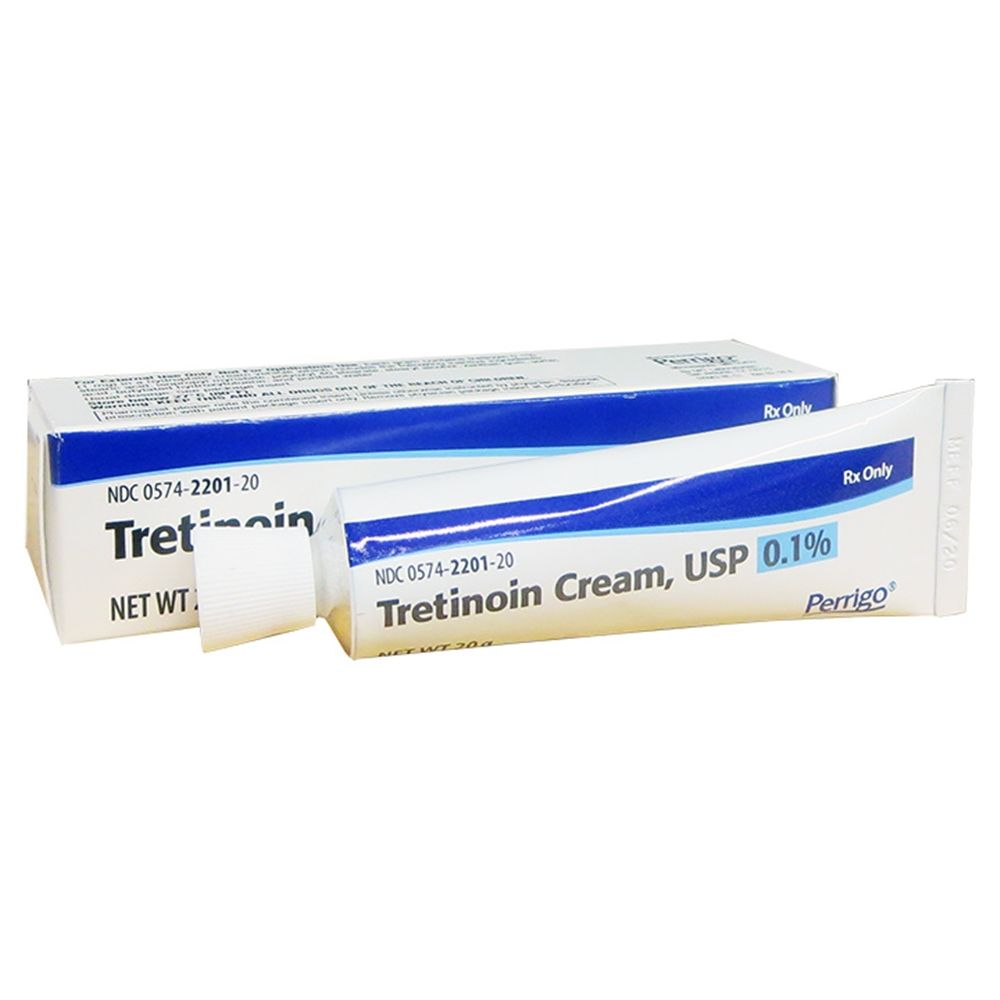
Think of tretinoin as your skin’s personal trainer. Just like exercise rebuilds your body, tretinoin rebuilds your skin from the inside out. It’s a form of vitamin A (a retinoid) that speeds up cell turnover, smooths fine lines, improves texture, and fights stubborn acne. If you’ve ever heard someone rave about “retinol,” tretinoin is its stronger, prescription-only cousin — the one that delivers results faster and deeper.

What is Hydroquinone?
Now let’s meet hydroquinone, the master of tackling dark spots, melasma, and uneven skin tone. While tretinoin focuses on renewal, hydroquinone acts like a spotlight dimmer—calming down the excess pigment that causes discoloration. If you’ve noticed stubborn patches after sun exposure, pregnancy, or hormonal shifts, hydroquinone can help fade them for a clearer, more even complexion.

Tretinoin vs. Hydroquinone: Key Differences
Here’s the million-dollar question: what’s the difference between tretinoin and hydroquinone?
- Tretinoin = best for anti-aging, acne, texture, and fine lines.
- Hydroquinone = best for dark spots, melasma, and hyperpigmentation.
- Together? They can work hand-in-hand. Tretinoin improves absorption of hydroquinone, while hydroquinone targets stubborn discoloration. The result: smoother, brighter, younger-looking skin.
This combo is often prescribed by medical providers for maximum results—just like combining healthy eating with exercise for weight loss.
Encouragement for the Journey
Here’s the thing: whether you’re losing weight, balancing hormones, or treating your skin, the process takes time. Tretinoin and hydroquinone aren’t overnight miracles. They need patience, consistency, and a little faith in the process—just like your health journey. And if you’re feeling drained or discouraged, remember this: every small step (a healthy meal, a short walk, applying your skincare) is moving you closer to the version of yourself you deserve to see in the mirror.
Safety First
While both tretinoin vs. hydroquinone can deliver impressive results, they’re not one-size-fits-all. Tretinoin may cause dryness and irritation at first, while hydroquinone isn’t recommended for long-term use without supervision. That’s why it’s important to consult with a licensed provider (like us here at eTailoredU Medical Weight Loss and Wellness) before starting. You deserve treatments that are safe, effective, and tailored to you.
The Bottom Line
When it comes to tretinoin vs. hydroquinone, the choice depends on your unique skin goals: Do you want to soften fine lines and improve texture? Or are you battling stubborn dark spots and uneven tone? Sometimes the best answer is “both.” With the right guidance, these powerhouse treatments can help you look as vibrant and confident on the outside as you’re starting to feel on the inside.
Remember: You’ve already taken the first brave steps toward health and wellness. Treating your skin is just another way of saying yes to yourself—and that’s something worth celebrating.
We regularly share healthy tips on our Facebook and Instagram.